
Illuminance
Measure of incident light per unit area weighted for human vision.

دالبا · CC BY-SA 3.0
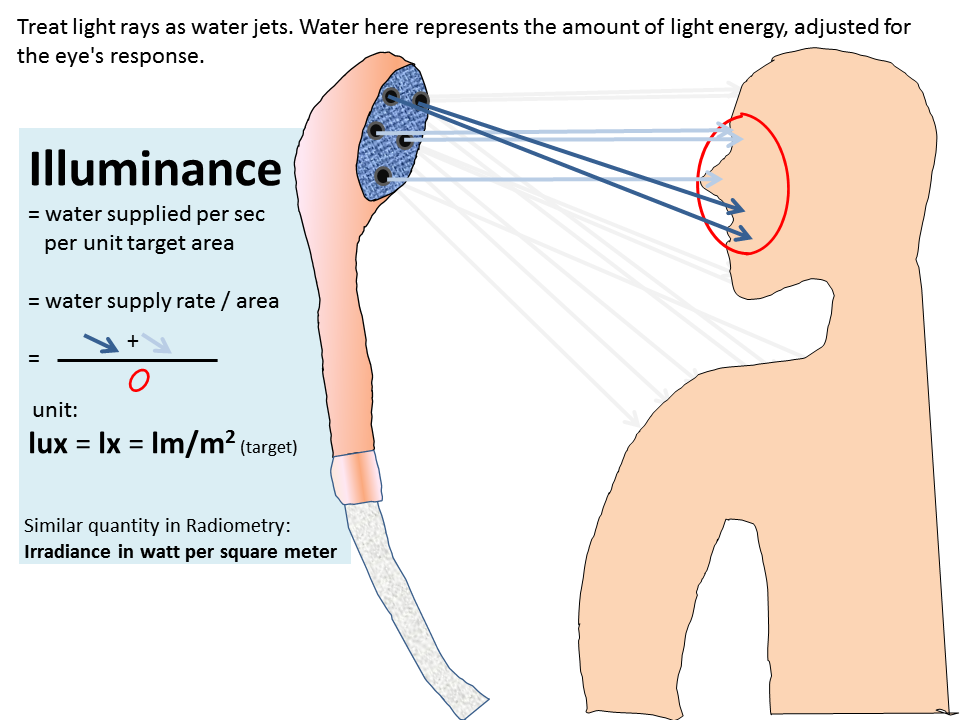
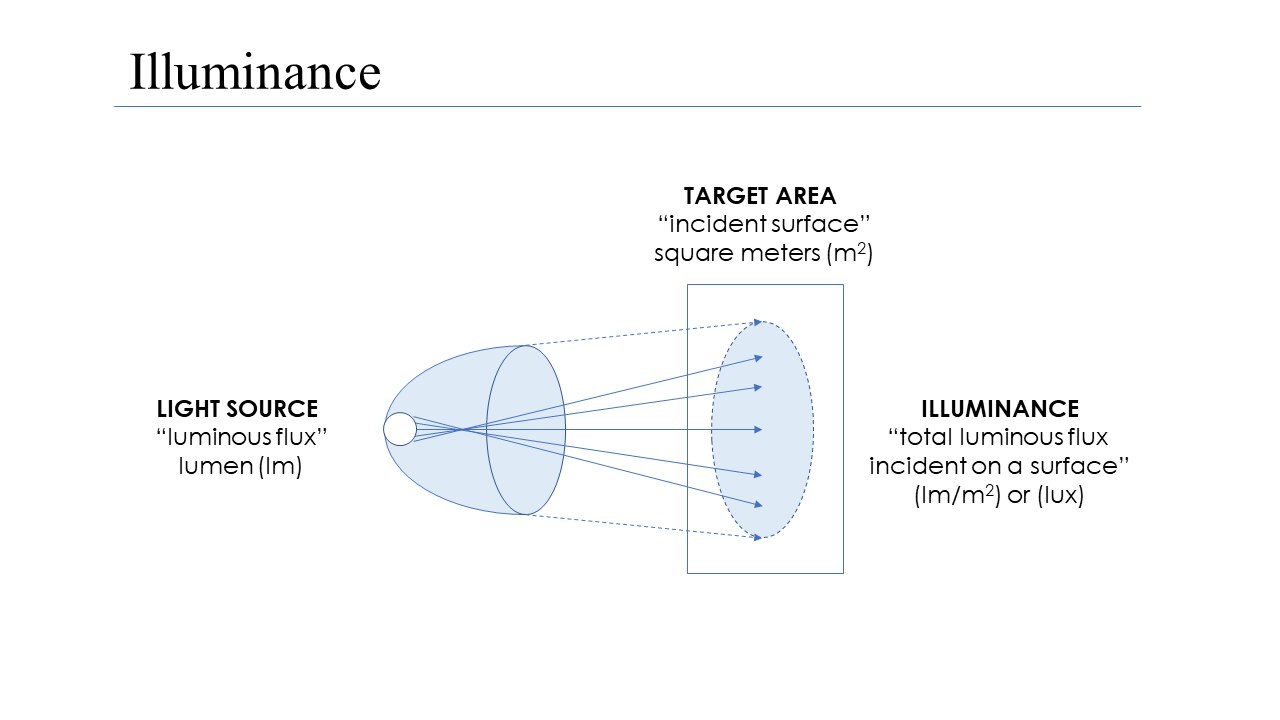
Illuminance is the total luminous flux incident on a surface per unit area, wavelength-weighted by the luminosity function to correlate with human brightness perception. It is measured in lux (lx) or lumens per square metre (lm·m−2) in SI units, and is distinct from luminous exitance, which is measured only in lm·m−2. The term was formerly called brightness, but that usage is now discouraged to avoid confusion with luminance.
- Highest readable
- 1.2×10⁵ lux (120 klx) for typical outdoor illuminance
Lore & Background
Illuminance quantifies how much light strikes a surface, with the human eye capable of seeing over a 2 trillion-fold range. Under starlight, white objects are somewhat discernible at around 1×10⁻⁴ to 5×10⁻⁴ lux, while at the bright end, typical maximum outdoor illuminance is about 1.2×10⁵ lux; levels far beyond this are not encountered naturally and can be unsafe. In astronomy, the illuminance from stars is used to measure brightness, with V-magnitudes convertible to lux via the formula Ev = 10^(-0.4 * mv - 14.18) or equivalently Ev = 10^(-14.18) * 10^(-0.4 * mv).
Reader's Guide
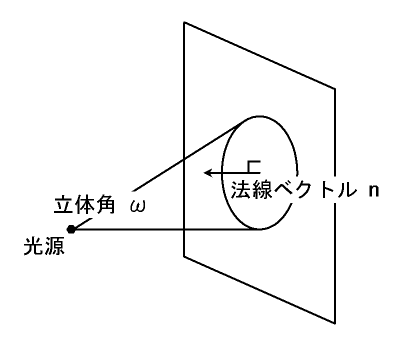
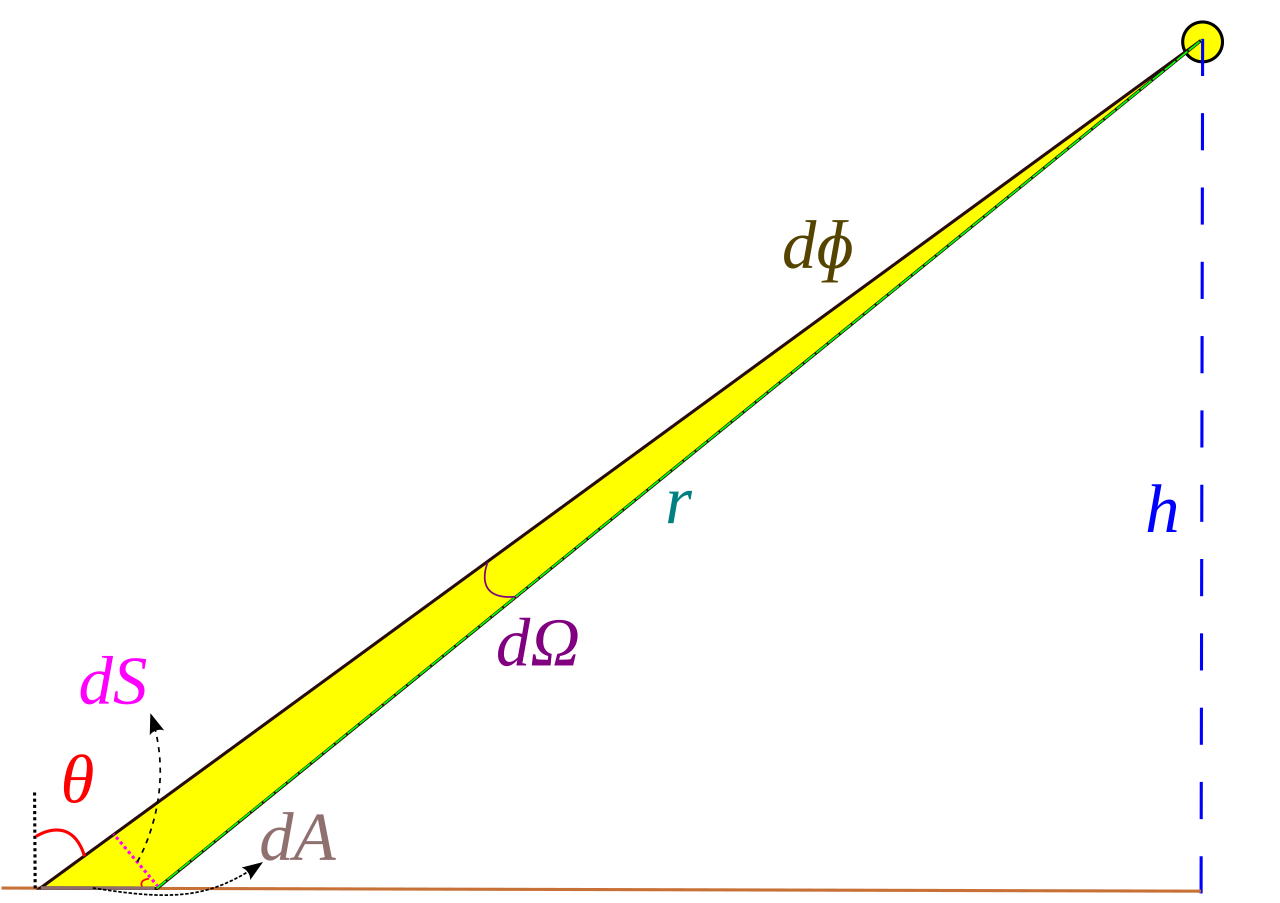
Illuminance is fundamental in photometry for describing light incident on surfaces, distinct from luminous exitance (emitted light). Its SI unit is the lux, while the CGS phot and non-metric foot-candle are also used. The human visual system's vast dynamic range—from starlight to extreme brightness—is expressed in lux values. In astronomy, illuminance links apparent magnitude to physical light levels. The relationship to luminous intensity follows the inverse-square and cosine laws for point sources, and to luminance via reflectance, with a simple formula for Lambertian reflectors. Understanding illuminance is critical in lighting design, photography, and vision science, as it directly affects visibility and perception.
Did You Know?
- Illuminance is measured in lux (lx) or lumens per square metre (lm·m−2) in SI units.
- The human eye can see over a 2 trillion-fold range of illuminance.
- Under starlight, white objects are discernible at around 1×10⁻⁴ to 5×10⁻⁴ lux.
- In astronomy, V-magnitudes can be converted to lux using the formula Ev = 10^(-0.4 * mv - 14.18) or equivalently Ev = 10^(-14.18) * 10^(-0.4 * mv).
Gallery
Frequently Asked Questions
What is Illuminance in optics?
Illuminance quantifies how much luminous flux strikes a surface per unit area, weighted by the eye's sensitivity curve so the value tracks perceived brightness. In plain terms, it is the 'incoming light per square metre' as the human visual system would register it.
How does Illuminance differ from luminous exitance?
Illuminance describes light arriving at a surface, while luminous exitance describes light leaving one. Although both carry the lm·m⁻² dimension, illuminance can additionally be expressed in lux, which keeps the two terms distinct in everyday usage.
What is the full range of illuminance the human eye can handle?
The span runs from roughly 5×10⁻⁵ lux under starlight up to about 10⁸ lux for reading large print, a dynamic range exceeding two trillion-to-one. This extraordinary adaptability lets the same visual system function from a dark night sky to a bright reading lamp.
Why is the old term 'brightness' discouraged for Illuminance?
The word 'brightness' was once used as a synonym but is now avoided because it collides with the separate photometric quantity called luminance. Keeping the names distinct prevents confusion between light falling on a surface and the perceived glow of that surface itself.
More in Optics And Photonics 1-24
Elsewhere in the Optics And Photonics universe
Spotted an error? Know more?
This is a living reference — every entry is fact-audited, and reader corrections feed straight into our audit queue. Suggest an edit · See this site's audit record