
Luminance
Photometric measure of luminous intensity per unit area in a given direction.

Myself · Public domain
Luminance is a photometric measure of the luminous intensity per unit area of light travelling in a given direction. It describes the amount of light that passes through, is emitted from, or is reflected from a particular area, and falls within a given solid angle. The SI unit for luminance is the candela per square metre (cd/m²), also known as the nit, and it is standardized by the CIE and ISO.
- SI unit
- candela per square metre (cd/m²)
- Non-SI term
- nit
- CGS unit
- stilb (1 cd/cm² = 10 kcd/m²)
- Typical display range
- 50 to 300 cd/m²
- Solar luminance at noon
- 1.6×10⁹ cd/m²
- Related quantity
- brightness (subjective impression of luminance)
- Standardization bodies
- CIE and ISO
Lore & Background
Luminance is used to characterize emission or reflection from flat, diffuse surfaces, indicating how much luminous power the human eye detects from a particular angle. In the video industry, it characterizes display brightness. Luminance is invariant in geometric optics: for an ideal optical system, output luminance equals input luminance. For real passive systems, output luminance is at most equal to input; an image can never be brighter than its source.
Reader's Guide
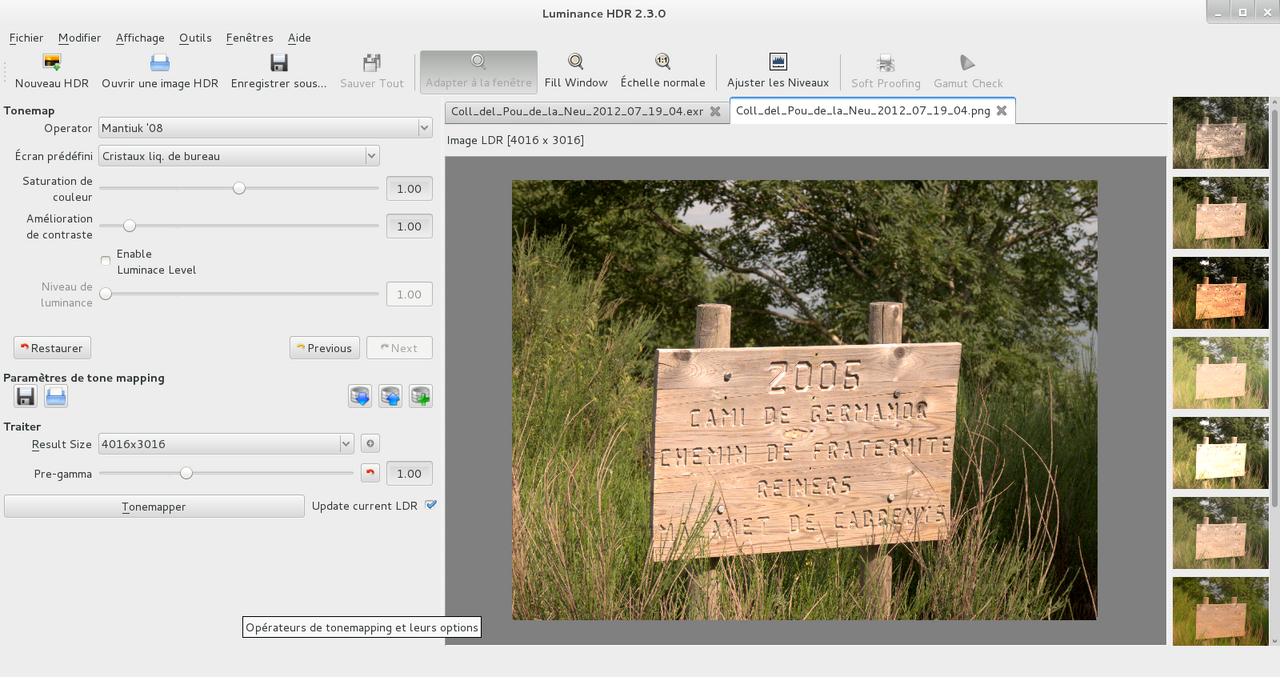
Luminance is fundamental in photometry and vision science, bridging objective measurement and subjective brightness perception. Its invariance in optical systems underpins the design of lenses and displays. Health effects from high luminance include retinal damage via local heating or photochemical effects, especially at short wavelengths. Luminance meters measure luminance in a specific direction and solid angle, with imaging versions operating like digital cameras. The relationship between luminance and illuminance for reflecting surfaces is given by the integral of luminance over emission directions, equating to luminous exitance, which equals illuminance times reflectance. For a perfectly diffuse (Lambertian) reflector, luminance is isotropic and equals (illuminance × reflectance)/π.
Did You Know?
- Luminance is invariant in geometric optics; for an ideal optical system, output luminance equals input luminance.
- The sun has a luminance of about 1.6×10⁹ cd/m² at noon.
- A typical computer display emits between 50 and 300 cd/m².
Gallery

Frequently Asked Questions
What exactly is Luminance in photometry?
Luminance quantifies how much light is emitted, reflected, or transmitted from a specific surface area within a particular viewing angle. It essentially measures luminous intensity normalized by the area it covers in a given direction.
What unit do I use for Luminance?
The standard SI unit is the candela per square metre (cd/m²), though in display and video industries it is commonly called a nit. In the older CGS system the equivalent unit is the stilb, where one stilb equals ten thousand cd/m².
How is Luminance different from brightness?
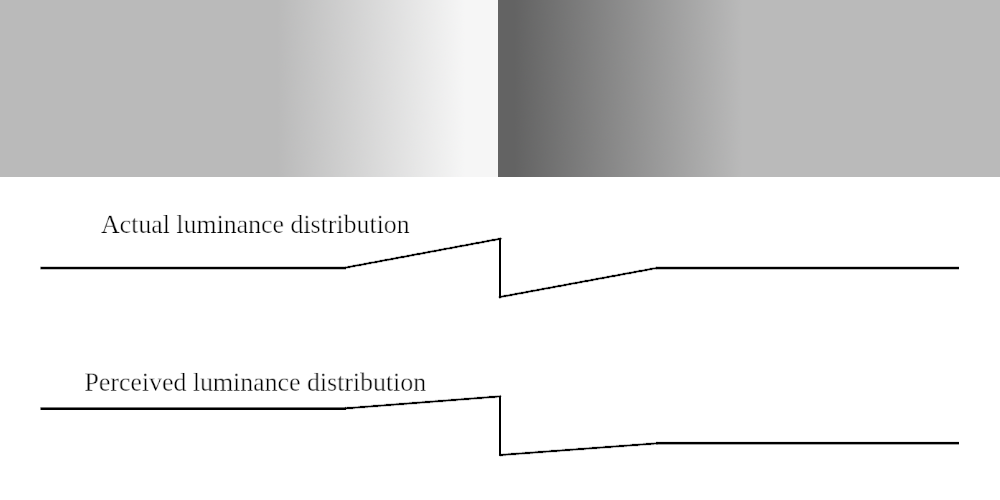
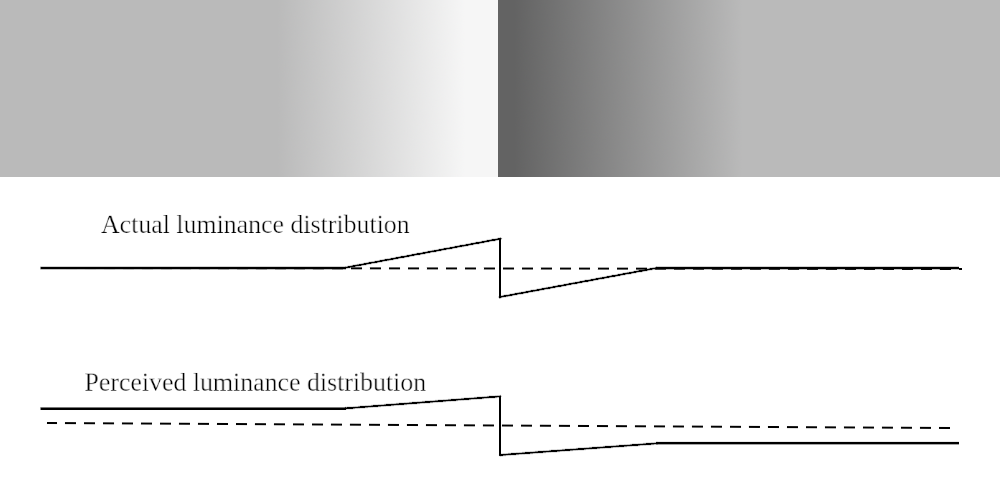
Luminance is an objective, measurable photometric quantity, whereas brightness is the subjective human perception of how light or dark something appears. Two surfaces with identical luminance values can still feel different in perceived brightness depending on the surrounding visual context.
What Luminance values do typical screens produce?
Most consumer displays operate somewhere between 50 and 300 cd/m² under normal usage. By comparison, the sun at midday reaches roughly 1.6 billion cd/m², making it over a million times brighter than a typical monitor.
Which organizations set the standards for Luminance?
Both the CIE (International Commission on Illumination) and ISO maintain the definitions and measurement standards for this photometric quantity. These bodies ensure consistent terminology and unit usage across scientific and industrial applications.
More in Optics And Photonics 1-24
Elsewhere in the Optics And Photonics universe
Spotted an error? Know more?
This is a living reference — every entry is fact-audited, and reader corrections feed straight into our audit queue. Suggest an edit · See this site's audit record