
Reflection coefficient
Parameter describing wave reflection at impedance discontinuities.

Lizinvt · CC BY-SA 3.0
The reflection coefficient is a parameter in physics and electrical engineering that describes how much of a wave is reflected by an impedance discontinuity in the transmission medium. It is equal to the ratio of the amplitude of the reflected wave to the incident wave, with each expressed as phasors. The reflection coefficient is closely related to the transmission coefficient, and its squared magnitude denotes the proportion of power reflected back to the source.
- field
- Physics, electrical engineering
- used_in
- Optics, telecommunications, transmission line theory
- symbol
- Γ (capital gamma)
- definition
- Ratio of reflected wave amplitude to incident wave amplitude
- key_equation
- Γ = (Z_L - Z_0) / (Z_L + Z_0)
Lore & Background
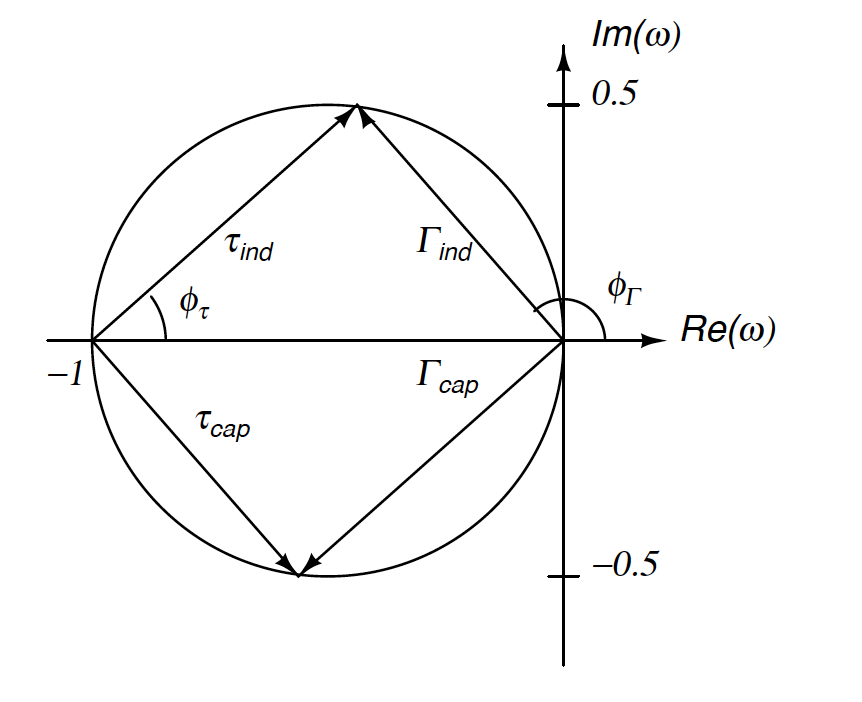
In telecommunications and transmission line theory, the reflection coefficient is the ratio of the complex amplitude of the reflected wave to that of the incident wave. The voltage and current at any point along a transmission line can be resolved into forward and reflected traveling waves given a specified reference impedance Z0. The reflection coefficient is defined as the complex ratio of the voltage of the reflected wave (V⁻) to that of the incident wave (V⁺), typically represented with Γ. It can also be defined using currents, introducing a minus sign to account for opposite orientations.
Reader's Guide
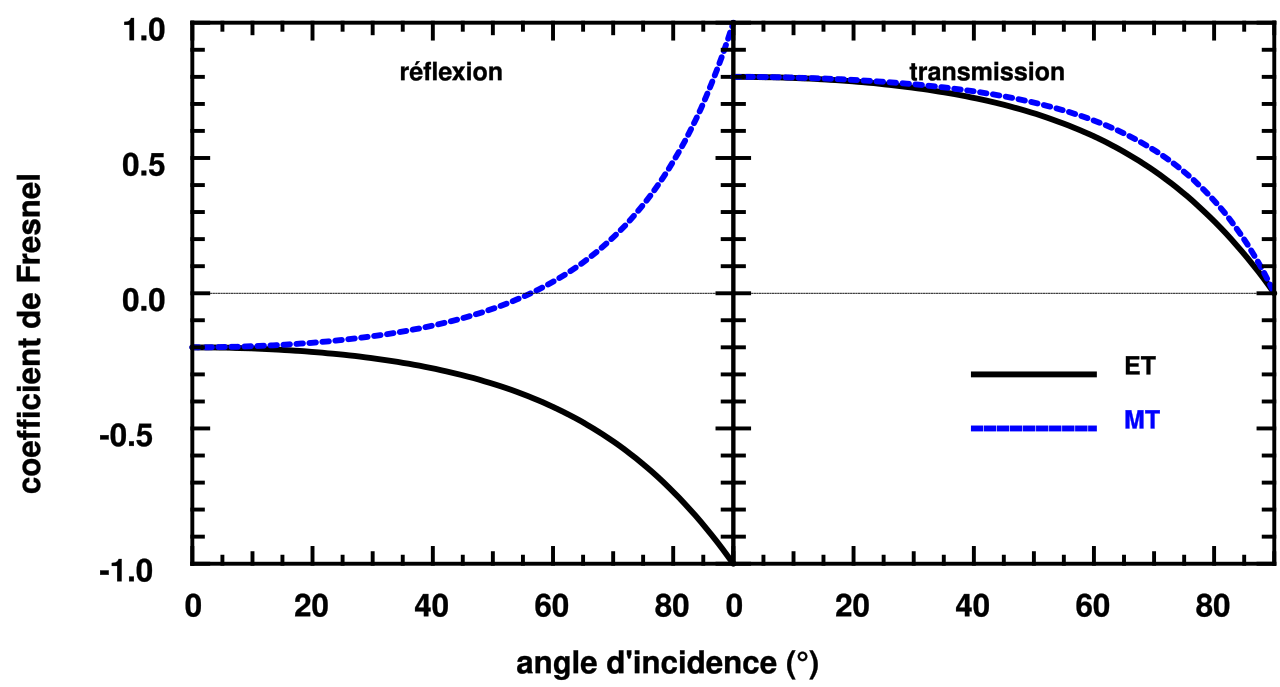
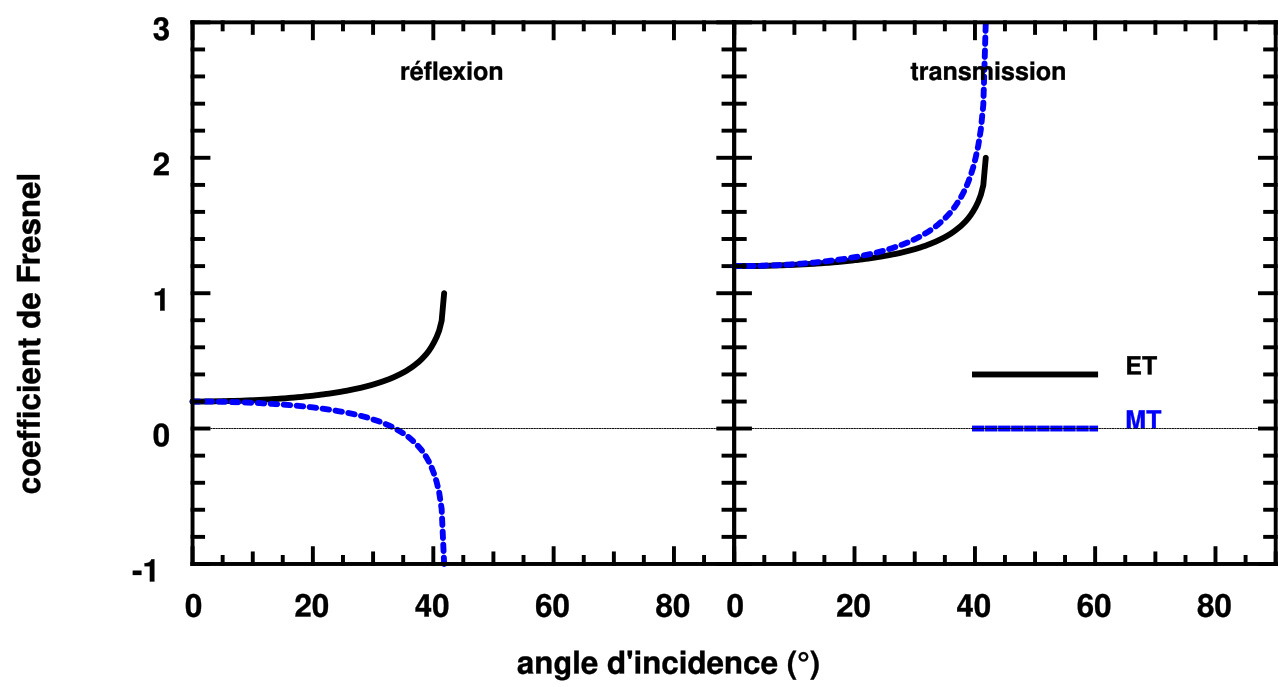
The reflection coefficient is significant because it quantifies how much of a wave is reflected at an impedance discontinuity, which is fundamental in designing transmission lines, optical coatings, and impedance matching networks. In transmission lines, a load impedance equal to the characteristic impedance yields Γ = 0, meaning no reflected power and maximum power transfer. The magnitude of the reflection coefficient remains constant along a lossless line, though its phase shifts with electrical distance. The squared magnitude |Γ|² gives the proportion of power reflected back to the source, with 1 − |Γ|² being the power delivered to the load. This concept is used in optics to calculate light reflection from surfaces with different refractive indices, and in electrical engineering to analyze signal integrity and antenna matching.
Did You Know?
- The reflection coefficient is equal to the ratio of the amplitude of the reflected wave to the incident wave, expressed as phasors.
- The squared magnitude of the reflection coefficient, |Γ|², denotes the proportion of power reflected back to the source.
- In a lossless transmission line, the magnitude of the reflection coefficient remains constant along the line.
Gallery

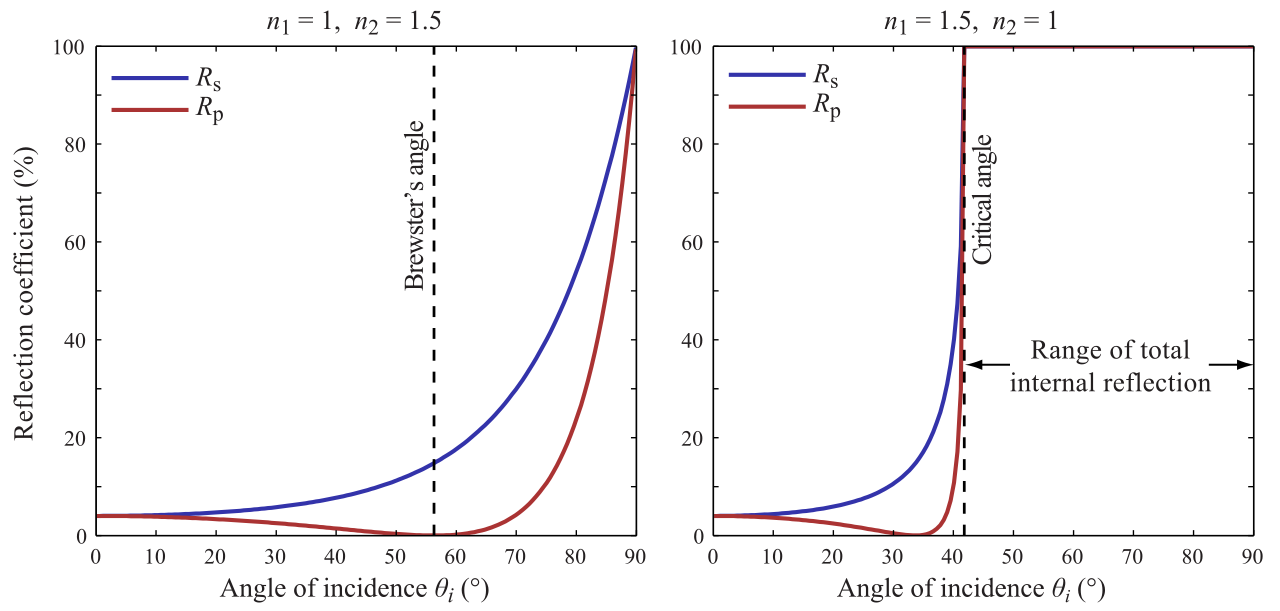
Frequently Asked Questions
Who is Reflection coefficient?
It is a dimensionless parameter in physics and electrical engineering that captures how much of an incoming wave bounces back when it encounters an impedance mismatch in the medium. Mathematically, it is the phasor-amplitude ratio of the reflected wave to the incident wave.
What are Reflection coefficient's powers and role?
Its squared magnitude tells you the exact fraction of power sent back toward the source, while the remainder is transmitted onward. This makes it the go-to quantity for predicting signal loss, standing waves, and energy-transfer efficiency across optical and RF interfaces.
How does Reflection coefficient's story end?
In the perfectly matched case (load impedance equals characteristic impedance), the coefficient vanishes to zero and no wave is reflected at all. At the opposite extreme—a total mismatch such as an open or short circuit—its magnitude reaches unity, meaning the entire incident wave is returned.
Why is Reflection coefficient important to the field?
It sits at the heart of transmission-line theory, telecommunications link design, and optical interface engineering, where even a small amount of reflected power can degrade performance. Engineers rely on it to design impedance-matching networks that suppress unwanted reflections and maximize delivered power.
What is Reflection coefficient's signature equation?
Its defining formula is Γ = (Z_L − Z_0) / (Z_L + Z_0), where Z_L is the load impedance and Z_0 is the characteristic impedance of the medium. The parameter is universally written with the Greek capital gamma (Γ) in textbooks and datasheets.
More in Optics And Photonics 25-34
Elsewhere in the Optics And Photonics universe
Spotted an error? Know more?
This is a living reference — every entry is fact-audited, and reader corrections feed straight into our audit queue. Suggest an edit · See this site's audit record